WW2 Bunker
Infamy: Pearl Harbor and Its Aftermath
Infamy: Pearl Harbor and Its Aftermath
Author: John Toland
Condition: Poor
Couldn't load pickup availability
Infamy: Pearl Harbor and Its Aftermath by John Toland investigates the military, political, and historical ramifications of the December 7, 1941 attack on Pearl Harbor, probing U.S. unpreparedness, alleged cover-ups, and the handling of intercepted Japanese communications. Situating the surprise strike within prewar U.S.–Japan diplomacy and the broader Pacific War, Toland traces decisions by civilian and military leaders, examines post‑attack congressional and official inquiries, and offers a narrative that interrogates responsibility, intelligence failures, and the contested historiography surrounding Pearl Harbor.
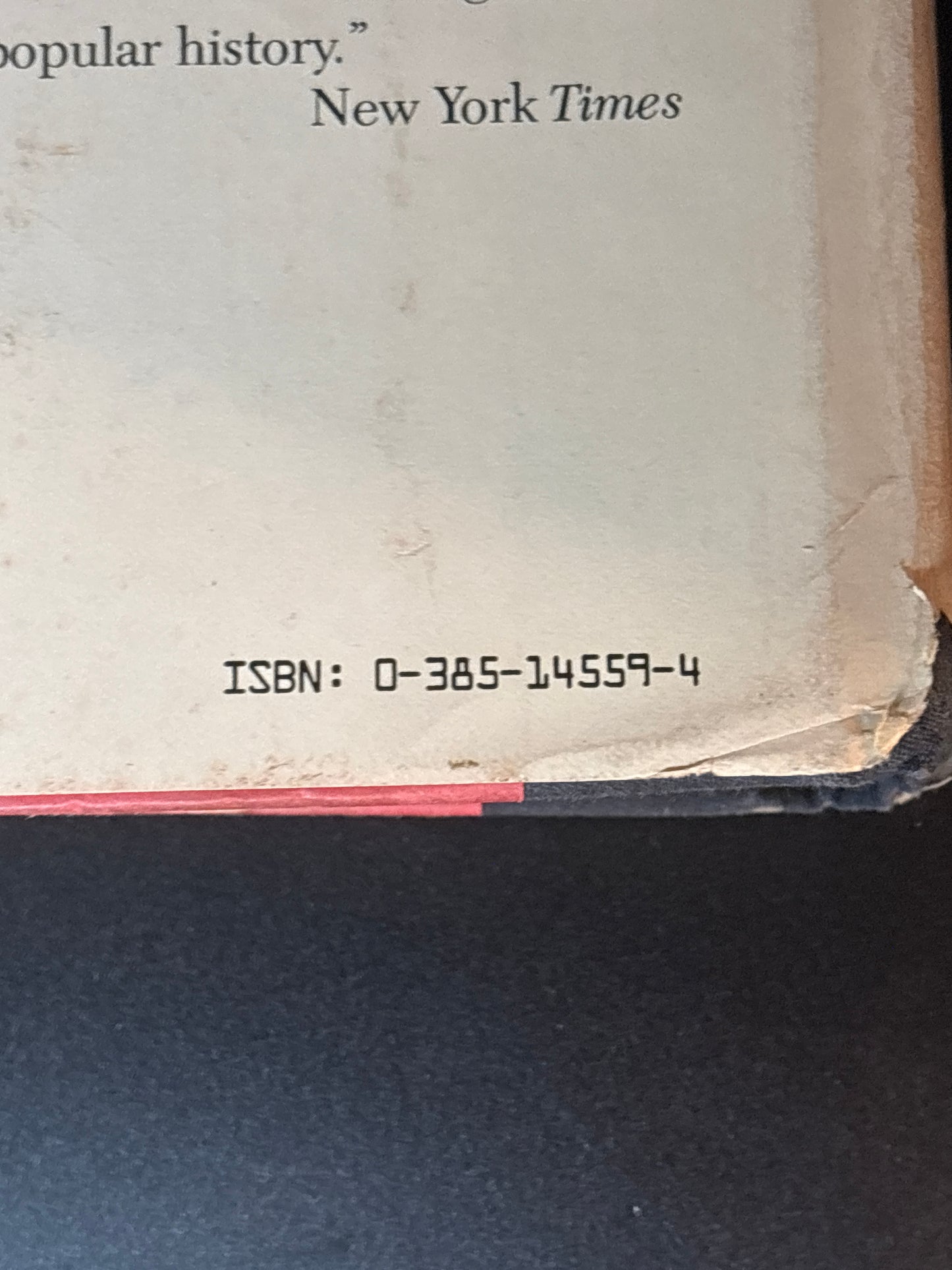
This edition (Doubleday, Garden City, NY; ISBN13 9780385145596) is a non‑fiction campaign and political/military history presented primarily as a textual narrative study. Available bibliographic descriptions do not identify extensive photo or map plates for this edition; instead the book is characterized by its chronological reconstruction of events, focus on intelligence and high‑command decision‑making, and detailed treatment of the subsequent investigations. Author: John Toland.
Share
Keywords, content and topics in this Book
Keywords, content and topics in this Book
Book Title: Infamy: Pearl Harbor and Its Aftermath
Author: John Toland
Publisher: Doubleday (Garden City, NY)
Type of Book
Non-fiction
Historical study
Campaign / event history (attack on Pearl Harbor and subsequent investigations)
Political and military history
Theater(s) of War
Pacific Theater (Pearl Harbor, Hawaii; US–Japan war context)
United States Home Front (Washington, D.C. political and intelligence context)
Main Nations Involved
United States
Japan
Main Focus and Themes
Pearl Harbor attack, 7 December 1941
U.S. political and military leadership decisions before Pearl Harbor
Responsibility and blame for the surprise at Pearl Harbor
Post-attack investigations and inquiries into Pearl Harbor
Controversy over foreknowledge of the attack
Use and handling of intercepted Japanese communications
Focus by Branch / Domain
U.S. Navy (Pacific Fleet at Pearl Harbor)
U.S. Army and Army Air Forces in Hawaii
Japanese Navy and diplomatic services
Intelligence and cryptanalysis (U.S. and Japanese signals and diplomatic codes)
High-level civil–military decision-making in Washington
Key Events and Topics (Operations / Campaign Context)
Attack on Pearl Harbor
Pre-war U.S.–Japan diplomacy and rising tensions
Japanese war planning against the United States
U.S. Pearl Harbor investigations (congressional and official inquiries)
Historical Figures and Leaders Featured
Franklin D. Roosevelt (U.S. President)
Cordell Hull (U.S. Secretary of State)
Henry L. Stimson (U.S. Secretary of War)
George C. Marshall (U.S. Army Chief of Staff)
Harold R. Stark (U.S. Chief of Naval Operations)
Husband E. Kimmel (Commander, U.S. Pacific Fleet)
Walter C. Short (U.S. Army commander in Hawaii)
Isoroku Yamamoto (Japanese Combined Fleet commander)
Chuichi Nagumo (Japanese carrier strike force commander)
Japanese diplomatic and intelligence officials associated with pre-attack communications
Weapons / Platforms (general, as part of Pearl Harbor context)
U.S. battleships and warships at Pearl Harbor
Japanese carrier-based aircraft (as attack forces against Pearl Harbor)
Content Features
Textual narrative history (no reliable evidence of extensive photo or map plates specifically for this edition has been identified in available bibliographic descriptions)
Descriptive Keywords and Tags
Pearl Harbor attack
December 7, 1941
U.S.–Japan relations
Pacific War origins
Pre-war intelligence
Signals intelligence
Code-breaking
Diplomatic intercepts
Military intelligence failures
Washington decision-making
FDR administration
Blame and responsibility for Pearl Harbor
Pearl Harbor investigations
U.S. congressional inquiry on Pearl Harbor
World War II – Pacific Theater
American home front politics
Revisionist interpretation of Pearl Harbor
High command controversy
Historiography of Pearl Harbor
Book Condition: Poor
Book Condition: Poor
You’ve reached the divisional archives. Whether you are looking for the technical blueprints of a Panzer, the gritty memoirs of an infantryman, or a bird’s-eye view of the Pacific Theater, we’ve got your intel right here. Our collection ranges from technical specs and biographies to rare photo journals and historical novels.
Before you enlist a new title into your personal library, check the Condition Report below to see how much action these volumes have seen:
New: Fresh Out of Bootcamp
Flawless and untested. This book is in pristine, new condition and ready for its first assignment.
Like New: Light Combat Experience
Almost new and in great shape. It has clearly been read before and is ready to fight again, but it shows very little wear from its time in the field.
Good: A Few Scars or Shell Shock
A reliable veteran. The book might have some bent corners or a dust cover with a few scratches, but it’s still sturdy and standing tall.
Fair: Battle-Hardened
Visible signs of a long campaign. Expect some stains, bent pages, and perhaps some minor tears on the cover. It’s seen the trenches, but the intel inside is still solid.
Poor: Survived Iwo Jima
This one has been through the meat grinder. It carries noticeable damage, heavy staining, or significant wear—but like any old soldier, it would love to be read one last time before it retires.