WW2 Bunker
Secrets of Victory The Office of Censorship and the American Press and Radio in World War II
Secrets of Victory The Office of Censorship and the American Press and Radio in World War II
Author: Michael S. Sweeney
Condition: Like New
Couldn't load pickup availability
Secrets of Victory: The Office of Censorship and the American Press and Radio in World War II examines how the civilian Office of Censorship supervised a vast, surprisingly effective program of voluntary self‑censorship after Pearl Harbor—distributing censorship codebooks in January 1942 and negotiating cooperative restraints with newspapers and radio. Michael S. Sweeney traces the administrative history and practical mechanics of news management, using case studies—protection of convoy routes and submarine operations, suppression of sensitive technical and cryptologic information, and constraints around amphibious operations—to illuminate the tense balance between operational security and the press’s role in a democratic society.
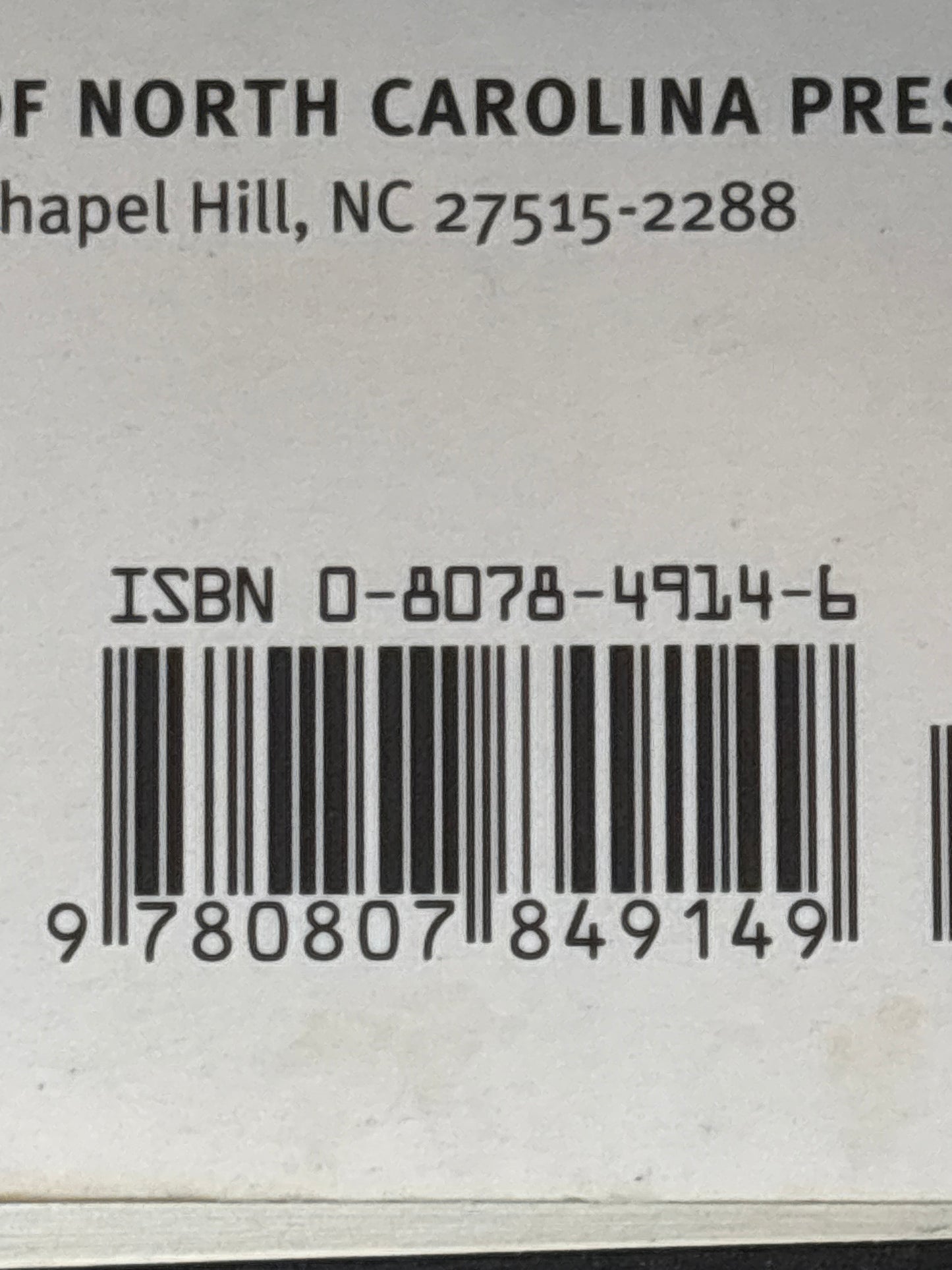
This scholarly monograph is a text‑based historical analysis that relies on archival government documents and administrative records to reconstruct policy and practice; it is cataloged as nonfiction historical study (ISBN 9780807849149). Its tightly focused military‑media perspective and detailed case studies make it especially valuable to readers interested in World War II home‑front policy, the history of journalism, information control, and the ethics of wartime reporting.
Share
Keywords, content and topics in this Book
Keywords, content and topics in this Book
Basic Classification
World War II
Home Front (United States)
U.S. Office of Censorship
American press and radio
Media studies – wartime reporting
Government information control
News management and secrecy
Civil liberties vs. national security
Voluntary censorship / self-censorship
Propaganda and information policy
History of journalism
Communication and mass media history
United States – history – 1939–1945
Second World War – information war
Civilian government agency in wartime
Theater(s) of War / Geographic Focus
United States home front
Main Nations / Actors Involved
United States (Allies)
Axis powers as subjects of U.S. news coverage
American government officials
American journalists and news organizations
Type of Book
Scholarly monograph
Nonfiction historical study
Focus / Subject Matter
Office of Censorship (U.S. civilian agency)
Press censorship policy and practice
Radio censorship policy and practice
Voluntary cooperation between press and government
Suppression of militarily sensitive information
Guidelines for news reporting in wartime
Balance between public’s right to know and operational security
Case studies of censorship incidents
Administrative history of a wartime agency
Information flows between battlefield, Washington, and home front
Operations / Campaigns (as information subjects, via censorship)
Protection of convoy routes and submarine warfare information
Protection of intelligence and cryptologic activities
Operational security for amphibious operations and invasions (general)
Branches / Services / Institutions
U.S. Office of Censorship
U.S. federal government wartime agencies
U.S. Army and Navy (as protected subjects of censorship)
News agencies, newspapers, wire services
Intelligence / Security Topics
Operational security (OPSEC)
Military secrecy
Security of ship sailings and troop movements
Censorship of weather reports and technical data
Notable Themes and Concepts
Voluntary censorship system
Self-regulation by the press
Government–media cooperation
Democracy under wartime strain
Ethics of journalism in war
Public opinion and controlled information
Limits of freedom of the press in wartime
People / Institutions (general)
Office of Censorship leadership and staff (as a collective subject)
American newspaper editors and publishers (collective)
Radio commentators and network executives (collective)
Form and Apparatus
Text-based historical narrative and analysis
Uses archival government documents
Suggested Cataloging / Tagging Terms
World War II – censorship
World War II – journalism
World War II – radio broadcasting
United States – Office of Censorship
War and the press – United States
Information control – United States – 20th century
Freedom of the press – United States – history
Government and the media – United States
News blackout and wartime secrecy
Book Condition: Like New
Book Condition: Like New
You’ve reached the divisional archives. Whether you are looking for the technical blueprints of a Panzer, the gritty memoirs of an infantryman, or a bird’s-eye view of the Pacific Theater, we’ve got your intel right here. Our collection ranges from technical specs and biographies to rare photo journals and historical novels.
Before you enlist a new title into your personal library, check the Condition Report below to see how much action these volumes have seen:
New: Fresh Out of Bootcamp
Flawless and untested. This book is in pristine, new condition and ready for its first assignment.
Like New: Light Combat Experience
Almost new and in great shape. It has clearly been read before and is ready to fight again, but it shows very little wear from its time in the field.
Good: A Few Scars or Shell Shock
A reliable veteran. The book might have some bent corners or a dust cover with a few scratches, but it’s still sturdy and standing tall.
Fair: Battle-Hardened
Visible signs of a long campaign. Expect some stains, bent pages, and perhaps some minor tears on the cover. It’s seen the trenches, but the intel inside is still solid.
Poor: Survived Iwo Jima
This one has been through the meat grinder. It carries noticeable damage, heavy staining, or significant wear—but like any old soldier, it would love to be read one last time before it retires.